The Philosophy of the Dress Watch: Your Wardrobe's Timeless Anchor
This is not an accessory of fleeting novelty but a deliberate statement of enduring style. It asks a simple, profound question: in a world obsessed with the new, what value does the timeless hold?
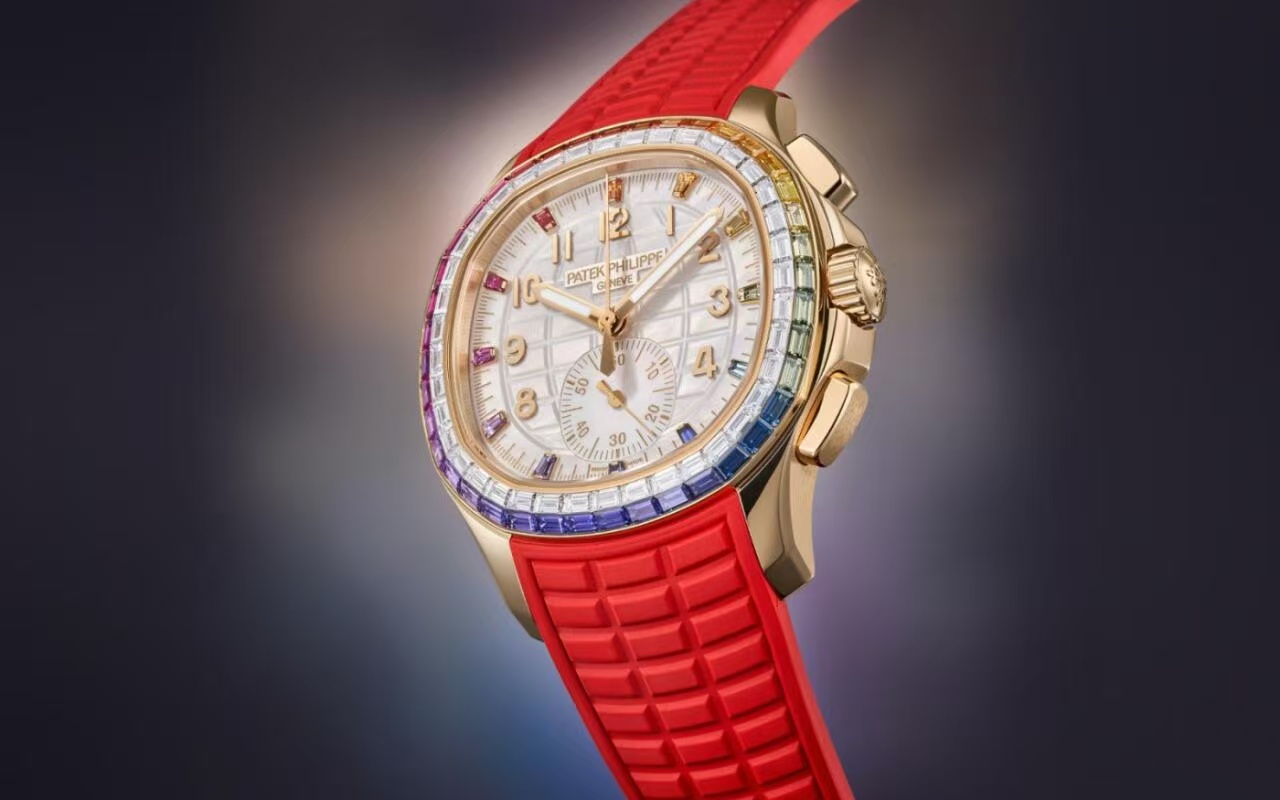
The answer lies in understanding the dress watch not as a mere time-telling device, but as the foundational anchor of a mature wardrobe. It represents a commitment to intentionality over impulse, to craftsmanship over complication, and to personal authenticity over passing trends. In an age where smartwatches buzz with notifications and sports models shout with technical bravado, the dress watch speaks in a measured, confident whisper. It is the sartorial equivalent of a perfectly tailored navy blazer or a pair of well-made leather oxfords—an item that does not shout for attention but commands respect through its inherent correctness and quiet assurance.
This exploration delves into the anatomy of this icon, unpacking the design codes, mechanical philosophy, and unspoken etiquette that have cemented its place as the ultimate hallmark of considered taste.
Part I: The Anatomy of Timelessness – Deconstructing the Design Code
The power of a classic dress watch lies in its rigorous adherence to a set of design principles that prioritize elegance, legibility, and proportion above all else. Each element serves a purpose, contributing to a harmonious whole.
1. The Case: A Study in Moderation and Craftsmanship
The dress watch case is a lesson in restraint. Typically crafted from precious metals like rose gold, yellow gold, white gold, or platinum, it eschews the tool-like robustness of steel for an emphasis on refinement. The size is crucial, historically and aesthetically adhering to a 36mm to 40mm diameter—a scale designed to nestle discreetly under a shirt cuff without bulk. The profile is slim, often under 10mm thick, achieved through specialized, ultra-thin movements. The finishing is paramount: a combination of high-polished surfaces on the bezel and lugs with perhaps a brushed or satin-finished case band, creating a play of light that signifies high-grade hand-finishing.
2. The Dial: The Canvas of Legibility
This is where minimalism becomes an art form. The dial is clean, uncluttered, and balanced.
-
Color: It begins with a palette of pure white, classic black, silver, or champagne. These are non-colors in the trend-centric sense; they are neutrals that harmonize with any ensemble.
-
Indexes: You will find either applied baton or Roman numerals, often crafted from gold to match the case. They are elegant and precise. The railroad minute track (or chemin de fer) is a signature touch—a slender, printed or engraved ring marking the minutes, a detail borrowed from early railway watches that speaks to a heritage of precision.
-
Hands: The feuille (leaf) or dauphine (also called alpha) hands are the classics. Slender, tapered, and often faceted to catch the light, they glide over the dial with a purposeful grace. Their shape ensures instant time-telling without obscuring the dial's artistry.
3. The Strap: The Final Connective Tissue
Leather is the only appropriate companion. A black or dark brown alligator or crocodile strap is the standard, prized for its subtle texture, durability, and luxurious feel. The stitching should be fine and even, and the buckle must match the case metal perfectly. This is not a place for casual suede or robust NATO straps; the leather strap completes the formal, integrated aesthetic.
Part II: The Heart of the Matter – The Pursuit of Thinness
The technical marvel of a true dress watch is often hidden from view: its movement. The quest for ultra-thin calibres is one of watchmaking's most respected challenges, driven by the desire for elegance over complication.
Brands like Audemars Piguet (with the legendary calibre 2120/2121), Piaget (the Altiplano's record-setting movements), and Vacheron Constantin have turned thinness into an art form. Creating a reliable, accurate movement that is mere millimeters thick requires radical re-engineering: components are skeletonized to the extreme, gears are made wafer-thin, and the entire architecture is flattened. This pursuit is not about adding functions but subtracting bulk. It is engineering in service of aesthetics, ensuring the watch remains an elegant sliver of metal on the wrist, never a cumbersome intrusion. A slim watch slides effortlessly under a tailored cuff, maintaining the clean line of a suit jacket—a practical elegance that defines the category.
Part III: The Unspoken Grammar of Wearing a Dress Watch
Owning a dress watch is only the first step; wearing it correctly is what integrates it into your personal style. This involves a subtle understanding of context and coordination.
1. The Cuff Rule: A Symphony of Fit
The golden rule: the watch should slide smoothly under your dress shirt cuff and remain there comfortably. It should not catch or cause the cuff to bulge. This dictates the slim case profile and informs the choice of a smooth, thin leather strap. When you gesture, a glimpse of the watch is revealed; it is a detail for the observant, not a broadcast to the room.
2. Metal Coordination: A Unified Statement
The metal of your watch case should be considered alongside other hardware. While not an unbreakable law, a coherent metal story creates a polished look. A rose gold watch pairs seamlessly with a rose gold wedding band or cufflinks. For the modern wardrobe, a white metal (white gold or platinum) offers maximum flexibility, complementing both silver and steel accessories.
3. Context is King: From Boardroom to Dinner
-
The Business Formal/Boardroom: This is the dress watch's natural habitat. Paired with a charcoal or navy suit, a white shirt, and a silk tie, it is the epitome of professional assurance. The watch here is understated, a sign of respect for the formality of the setting.
-
The Business Casual/Office: Here, the dress watch demonstrates its versatility. Wear it with a blazer, chinos, and a polo or oxford cloth shirt. It elevates the casual ensemble, adding a touch of formality and intention that separates "dressed" from "just wearing clothes."
-
The Evening/Formal Event: With a tuxedo or a dark suit, the dress watch becomes pure jewelry. A simple, time-only watch in precious metal on a black leather strap is the only appropriate choice. It is discreet, elegant, and perfectly in keeping with the refined codes of black-tie attire.
Conclusion: The Anchor in a Sea of Change
In the end, the classic dress watch offers something increasingly rare: permanence. It is a purchase made not for the next six months, but for the next six decades. It does not seek to be the center of attention but to be the reliable, elegant constant in an ever-changing personal style.
It teaches a valuable lesson in consumption: that the greatest luxury is not novelty, but longevity; not loud branding, but quiet confidence. It is an investment in an object that will outlive countless trends, becoming more personally significant with each passing year. In anchoring your wardrobe with such a piece, you make a definitive statement: that your style is not dictated by the calendar, but defined by a thoughtful, enduring philosophy of elegance.