The Art of Luxury Packaging: Why We Cherish the Iconic Orange, Blue, and Green Boxes
Before you even see the product, you are presented with its casing: a box. But this is no mere container. From the distinctive cadence of a clasp closing to the whisper of silk tissue paper, luxury packaging is a meticulously orchestrated prelude, designed to elevate the unboxing into a ritual. The iconic orange of Hermès, the robin’s-egg blue of Tiffany & Co., and the hunter green of Louis Vuitton are not just colors; they are non-verbal brand signatures, promising an experience before a single word is read.
This first part of our exploration delves into the design philosophy and exquisite craftsmanship behind these covetable boxes, revealing why they are cherished as much as the treasures they hold.
More Than a Box: The Psychology of Premium Unboxing
Luxury packaging serves a masterclass in sensory marketing. It is the first physical touchpoint a customer has with a brand’s world. The substantial weight of a rigid box, the flawless finish of its coating, the precise fit of its lid—all these elements communicate quality, care, and exclusivity before the interior item is revealed.
Studies in consumer behavior consistently show that high-quality, aesthetically pleasing packaging significantly enhances the perceived value of the product inside and deepens emotional connection to the brand. It transforms a simple transaction into a memorable event, creating a story worth sharing. In an age of digital immediacy, this tangible, multi-sensory experience is a powerful differentiator, making the purchase feel personal and special.
Decoding the Icons: A Trio of Legendary Colors
1. Hermès Orange: The Evolution of an Identity
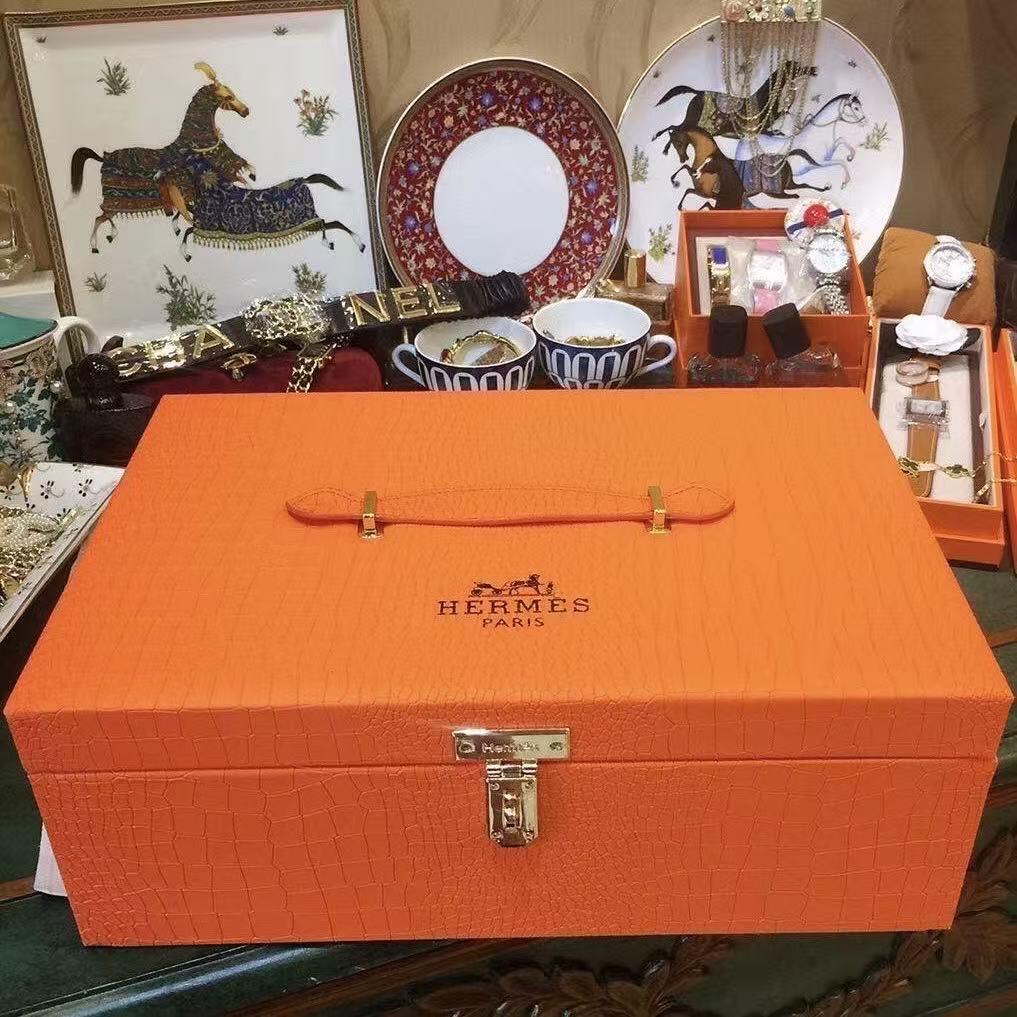
The Hermès orange box is arguably the most recognisable in the world. Yet, its origin was one of necessity, not design. Founded as a harness workshop, Hermès originally used cream-colored boxes with gold edging in the 19th century. During World War II, due to shortages, the only available cardboard was a distinctive orange. The brand, with its typical ingenuity, adopted it.
This serendipitous switch became a strategic masterstroke. The vibrant, warm orange was a bold departure from conventional luxury packaging. It was eye-catching, joyful, and utterly unique. Post-war, Hermès made the conscious decision to keep it, understanding it had stumbled upon a powerful identity marker. Today, the shade is meticulously standardized (Pantone 1448 C), and the box’s construction is an art form—made from pressed paperboard, assembled by hand, and often lined with the same luxurious materials found in their accessories.
2. Tiffany Blue®: A Color Trademarked
Tiffany & Co. didn’t just choose a color; they legally claimed one. "Tiffany Blue®" is a specific shade of robin’s egg blue, patented by the company and central to its brand identity since 1845. The color was selected for its associations with the gemstone turquoise, highly fashionable in the 19th century and a favorite of the Victorian era, symbolizing romance, fidelity, and the beauty of a rare find.
The iconic Tiffany Blue Box® is famously accompanied by the dictate: "Please return anything from Tiffany’s that doesn’t come in this box." This statement underscores that the box is an inseparable part of the product’s authenticity and emotional promise. The cotton piqué ribbon, tied in a precise bow, completes an ensemble that has become synonymous with love, celebration, and lifelong commitment.
3. Louis Vuitton Green & Gold: The Legacy of Travel
Louis Vuitton’s dark hunter green boxes and shopping bags, accented with gold lettering, are a direct homage to its founding purpose: travel. The green evokes the luxury railway carriages and steamships of the late 19th and early 20th centuries, for which Louis Vuitton crafted his legendary trunks. It speaks of adventure, heritage, and enduring quality.
The packaging is robust and refined, mirroring the durability of the products within. In recent years, LV has introduced seasonal variations and special-edition boxes for collaborations (like those with artists Jeff Koons or Yayoi Kusama), but the classic green and gold remains the cornerstone, a portable emblem of the brand’s illustrious history in exploration and style.
The Craftsmanship Behind the Curtain
What makes these boxes feel so exceptional is the often-overlooked precision of their manufacture.
-
Materials: They are typically made from high-density paperboard or chipboard, chosen for its rigidity and ability to hold a flawless shape. The paper used for wrapping is often acid-free to protect delicate contents over time.
-
Construction: Many luxury boxes are still assembled by hand or with semi-automated processes that ensure perfect corner alignment and lid fit. The difference between a machine-glued flap and a hand-taped seam is palpable.
-
Finishing: The luxurious feel comes from specialist coatings. A high-gloss or matte laminate not only protects the surface but gives it a deep, rich texture. Hot foil stamping is used for logos and details, where fine metal dies press metallic foil into the paper with heat, creating a crisp, raised, and shimmering effect.
-
Interior Details: The inside is as considered as the exterior. Brands use custom-embossed or debossed logos on satin liners, folded tissue paper with proprietary patterns, and fitted cushions to hold items securely. Every element is designed to protect and present.
The Box as a Cultural Artefact
These packages have transcended their commercial purpose to become pop culture symbols. They appear in films, music videos, and social media, instantly conveying a message of luxury, gift-giving, or personal indulgence. The sight of a distinctive shopping bag is a status signal; an empty box saved on a shelf becomes a curated memory of a special purchase or occasion.
For the collector, original packaging is paramount. It completes the "full set," significantly enhancing the item's resale value and authenticity in the secondary market. An Hermès bag with its original box, dust bag, and receipt (the "full presentation") commands a notable premium. Thus, the box transforms from a temporary vessel into a permanent part of the object’s biography and worth.